AI Reception Robot: Costs and Implementation Process
AI receptionist robots help with greeting, guiding, and providing information. Cost depends on the device, software, integration, content, and scope of operation.
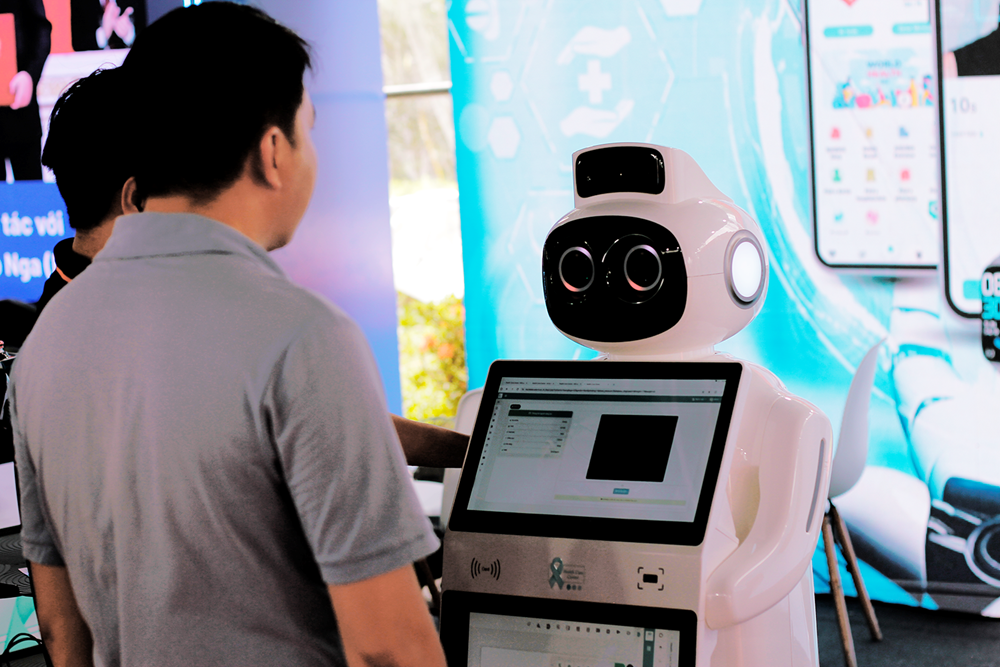
AI receptionist robots help with greeting, guiding, and providing information. Cost depends on the device, software, integration, content, and scope of operation.
An impressive appearance alone does not make an effective receptionist. The robot must use the right data, follow the script, move safely, and know when to hand over to staff.
The cost of an AI receptionist robot is not just the hardware price. A budget should cover the robot, AI, content, integration, deployment, and long-term operation. Businesses should start with one small workflow, survey the environment, test with real users, and expand only after measuring the task completion rate.
What is an AI receptionist robot?
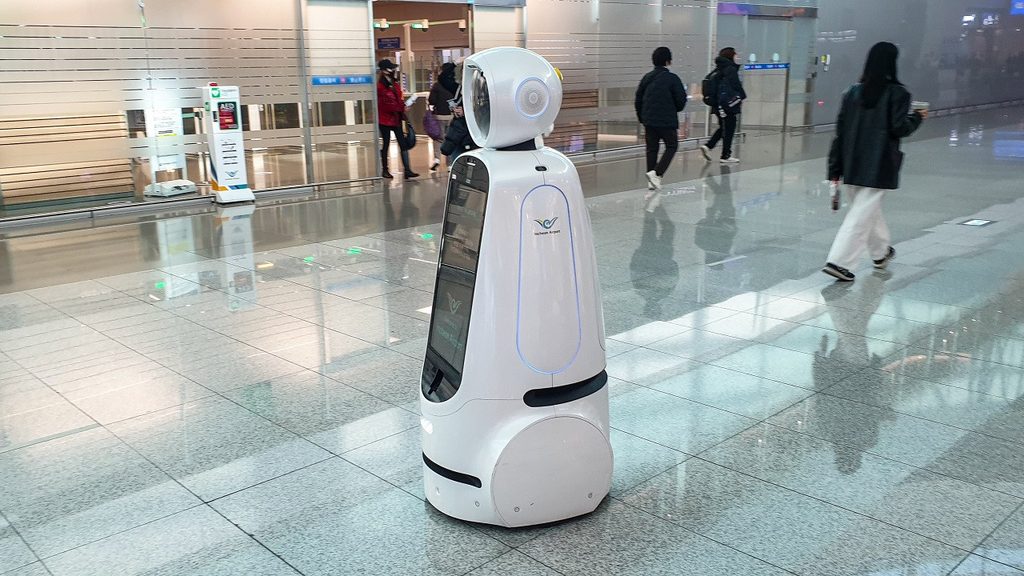
An AI receptionist robot is a service robot used to greet visitors, provide information, give directions, assist with registration, or connect to staff. The robot communicates through voice, a screen, gestures, or QR codes.
According to the International Federation of Robotics, a service robot performs tasks useful to humans or equipment, for personal or professional purposes. A receptionist robot belongs to the professional service category.
Not every receptionist robot moves. Some operate like a kiosk; others have maps, avoid obstacles, and lead visitors. Evaluate them by their actual functions.
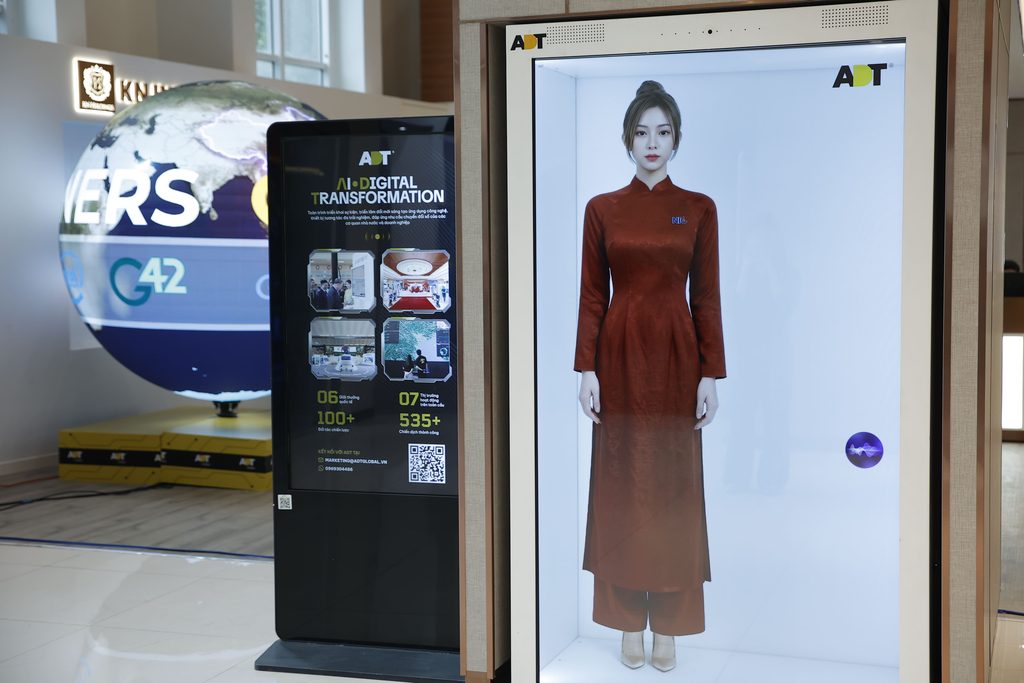
What can an AI receptionist robot do?
A well-designed system can support:
- Greeting visitors and introducing the business, a program, or products.
- Answering frequently asked questions from an approved content repository.
- Looking up schedules and maps, and guiding visitors to the area they need.
- Collecting registration information with the user’s consent.
- Notifying staff when a visitor needs direct assistance.
- Playing videos, images, documents, or interactive content.
- Leading visitors along a route if the robot has suitable navigation capability.
Platforms differ in capability. temi presents its navigation and video-audio interaction features; PUDU describes the KettyBot Pro as a delivery and reception robot with an advertising screen. These are reference examples, not model recommendations.
What does the cost of an AI receptionist robot include?
Cost is only meaningful after the task, languages, data, integrations, and level of customization have been settled.
Operations: warranty, maintenance, batteries, network, content updates, and monitoring.ếu có.
Hardware: robot body, screen, camera, microphone, sensors, battery, and charging dock. Mobile robots add navigation and calibration requirements.
Software and AI: speech recognition and synthesis, language models, dialogue, mapping, and control. Clarify whether fees are per device, per usage, or per period of time.
Content: greetings, FAQs, handover scripts, interface, voice, and languages.
Integration: calendars, CRM, visitor management, building systems, elevators, or AI platforms; includes APIs, security, and testing.
Deployment: survey, transport, installation, map creation, configuring restricted zones, and training.
Three Common Budget Tiers
| Tier | Scope | Notable cost components |
|---|---|---|
| Basic | Greetings, content playback, fixed FAQs | Hardware, interface, content set |
| Standard | AI conversation, lookup, limited navigation | AI, data, maps, operations |
| Integrated | CRM connection, check-in, building systems, multiple locations | API, security, customization, monitoring |
This table helps define scope and is not a substitute for a quotation. One-time, recurring, and usage-based costs should be separated.
Should you rent or buy an AI receptionist robot?
Renting suits events or pilot trials. A rental package should include transport, content, technical support on site, and a replacement robot.
Buying suits frequently used lobbies or showrooms, but requires staff, maintenance, and an update budget.
Long-term rental or Robot-as-a-Service converts part of the investment into recurring fees. Compare options based on TCO, usage levels, and service commitments.
AI receptionist robot deployment process
- Define the problem: List the visitor groups, questions, tasks, and main service flows.
- Survey the site: Measure walkways, doors, slopes, floor surfaces, noise, lighting, and network coverage; determine restricted zones and charging points.
- Choose the configuration: Decide between a stationary or mobile robot, screen, voice, camera, and languages.
- Standardize data: Prepare FAQs, floor plans, schedules, and directories; identify the sources and who approves them.
- Design the experience: Build greetings, buttons, answers, and a flow for calling staff when the robot cannot handle a request.
- Integrate: Connect only the necessary systems and limit permissions according to tasks.
- Test: Try various voices, heights, and noise levels; check for network loss, low battery, and obstacles.
- Pilot operation: Measure completion rate, time, number of interventions, and feedback before expanding.
KPIs for evaluating effectiveness
- Percentage of visitors who complete a task without assistance.
- Percentage of questions answered correctly from approved sources.
- Average duration of an interaction session.
- Number of times the robot loses localization or needs intervention.
- Satisfaction of visitors and reception staff.
- Uptime during service hours.
- Cost per interaction or per completed task.
Avoid measuring only the number of people approached: a robot may attract visitors without completing their tasks.
Risks to control
- Safety: Speed limits, operating zones, obstacle avoidance, and stop mechanisms.
- Content: Limited knowledge scope, source display where appropriate, and a button to call staff.
- Data: Clarify purpose, retention period, access rights, and deletion mechanism; do not enable facial recognition unless necessary.
- Maintenance: Update when floor plans, schedules, products, or personnel change.
When should you hold off on deployment?
A robot is not yet suitable if there are few visitors, processes keep changing, data is not standardized, or there is no one to operate it. Steps, difficult flooring, and weak networks also need to be resolved first.
A kiosk, an interactive screen, or an AI assistant on existing devices may be a more economical way to pilot.
AI receptionist robots in the enterprise ecosystem
When properly connected, within appropriate scope, to knowledge bases, visitor systems, and staff, a robot can become a reception point within the service journey.
ADT Global can support you from hardware and content to integration. Contact ADT Global to survey the costs of deploying an AI receptionist robot for your lobby, showroom, or event.
Conclusion
Costs cover hardware, AI, content, integration, and operations. Businesses should start from the tasks, run a real-world trial, and measure the results.
Frequently Asked Questions
How much does an AI receptionist robot cost?
There is no single price. Costs depend on the robot type, mobility, AI capabilities, content, integrations, rental period, or operating lifecycle.
Can a receptionist robot replace staff?
Robots suit repetitive questions and tasks. Staff are still needed to handle exceptions, sensitive situations, and requests that require judgment.
Can I rent a robot for an event?
Yes. Confirm whether the rental package includes content, transport, setup, on-site technical support, and backup equipment.
Can the robot use internal data?
It can, if the system supports it and is integrated with the correct permissions. Only provide the data necessary for the reception task.
What factors affect deployment time?
Deployment time depends on the level of customization, data, number of languages, integrations, site survey, and scope of testing.