How to build brand experiences with interactive technology
Every time a visitor walks into a booth, tours a showroom, or talks with a digital assistant, they form an impression of the business. Brand experience built with interactive technology connects touchpoints into a journey with a story and a goal.
Every time a visitor walks into a booth, tours a showroom, or talks with a digital assistant, they form an impression of the business. Brand experience built with interactive technology connects touchpoints into a journey with a story and a goal. Effectiveness does not come from adding more screens, but from understanding users and the behavior you want to create.
Building a brand experience with interactive technology requires combining strategy, user journey, content, space, and engineering. The process runs from objectives, research, and scripting to prototyping, operation, and measurement. Technology should be chosen only once the role of each touchpoint is clear.
1. What is brand experience?
Brand experience is the sum of a customer’s perceptions across every contact with a business: website, store, product, staff, events, or services.
A good experience must deliver on the brand’s promise, help users reach their goals, and create the right emotion. A technology brand that wants to convey innovation needs interaction that is intuitive, fast, and reliable. A faulty device or a confusing interaction works against that message.
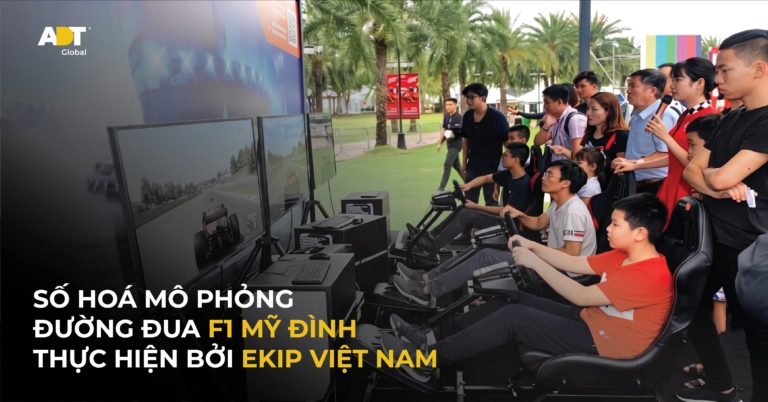
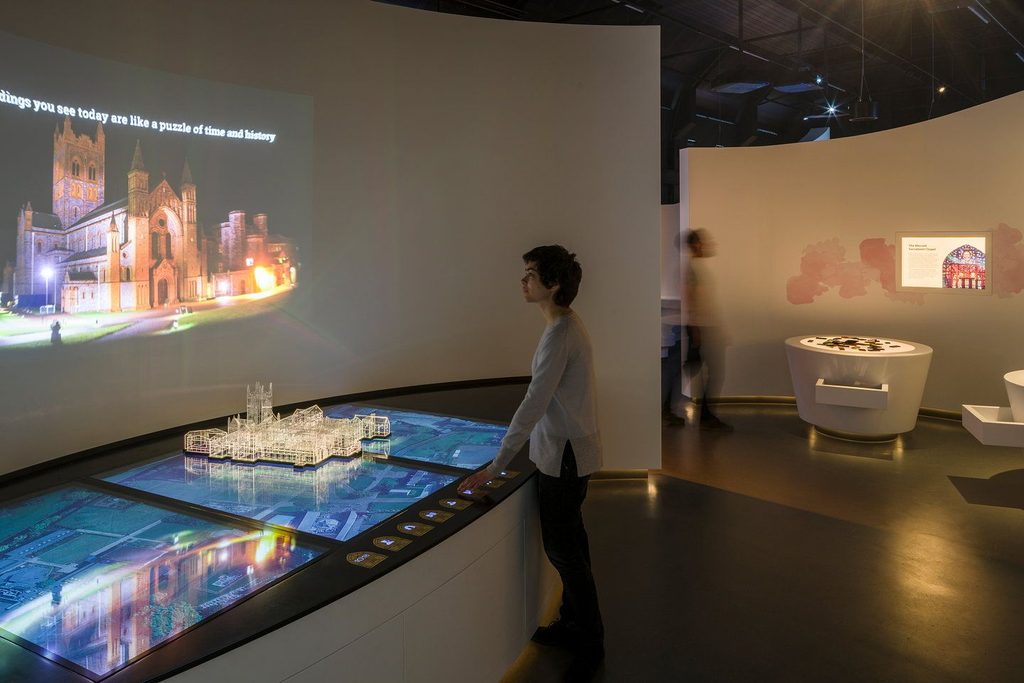
Technology turns customers from viewers into participants. Touching, moving, or asking a question can change the content.
2. What value does interactive technology create for a brand?
First, 3D models, digital twins, or data displays turn complex processes into a story that is easy to follow.
The system can also personalize content according to the field a visitor is interested in.
Interaction also generates data on which areas draw interest, which content is skipped, and how long people engage. Collection must be transparent and purpose-specific.
Finally, a management platform can distribute suitable content to showrooms, booths, or mobile devices.
3. Six principles for building a brand experience
Start from one central message
Customers find it hard to remember a lot of information. Define one main idea and use touchpoints to reinforce it.
Design around the journey, not the device
Define what the visitor sees first, the action they are invited to take, and the result they receive. Only then choose the devices.
Give every interaction a purpose
A visitor’s action should open information, change the perspective, or lead to the next step, not merely create an effect.
Keep the identity consistent
Color, motion, sound, and language must all express the brand’s personality. Consistency does not mean repeating one layout.
Respect accessibility
Content needs suitable contrast, text, captions, and ways to operate it. W3C sets out four principles: perceivable, operable, understandable, and robust. This is a useful reference for interactive kiosks. Source: W3C – WCAG 2.2
Design for real-world operation
The experience must withstand visitor traffic, lighting, noise, and network conditions. Content should be easy to update, with backup plans in place.
4. A 7-Step Process for Building a Brand Experience
Step 1: Define the business goal
The goal might be to raise awareness, explain a solution, generate leads, or provide training. Choose one primary goal to avoid spreading effort too thin.
Step 2: Research the participants
Clarify what participants already know, how much time they have, and what barriers they face. Trade show visitors need faster content than guided tour groups.
Step 3: Develop the idea and story
The central idea connects the goal with the brand promise. Divide the story into an opening, exploration, climax, and conclusion.
Step 4: Map the journey and touchpoints
Draw a map from the moment a visitor approaches to the moment they leave. Each touchpoint needs defined content, action, feedback, and next step. A fast path should be offered.
Step 5: Choose the right technology
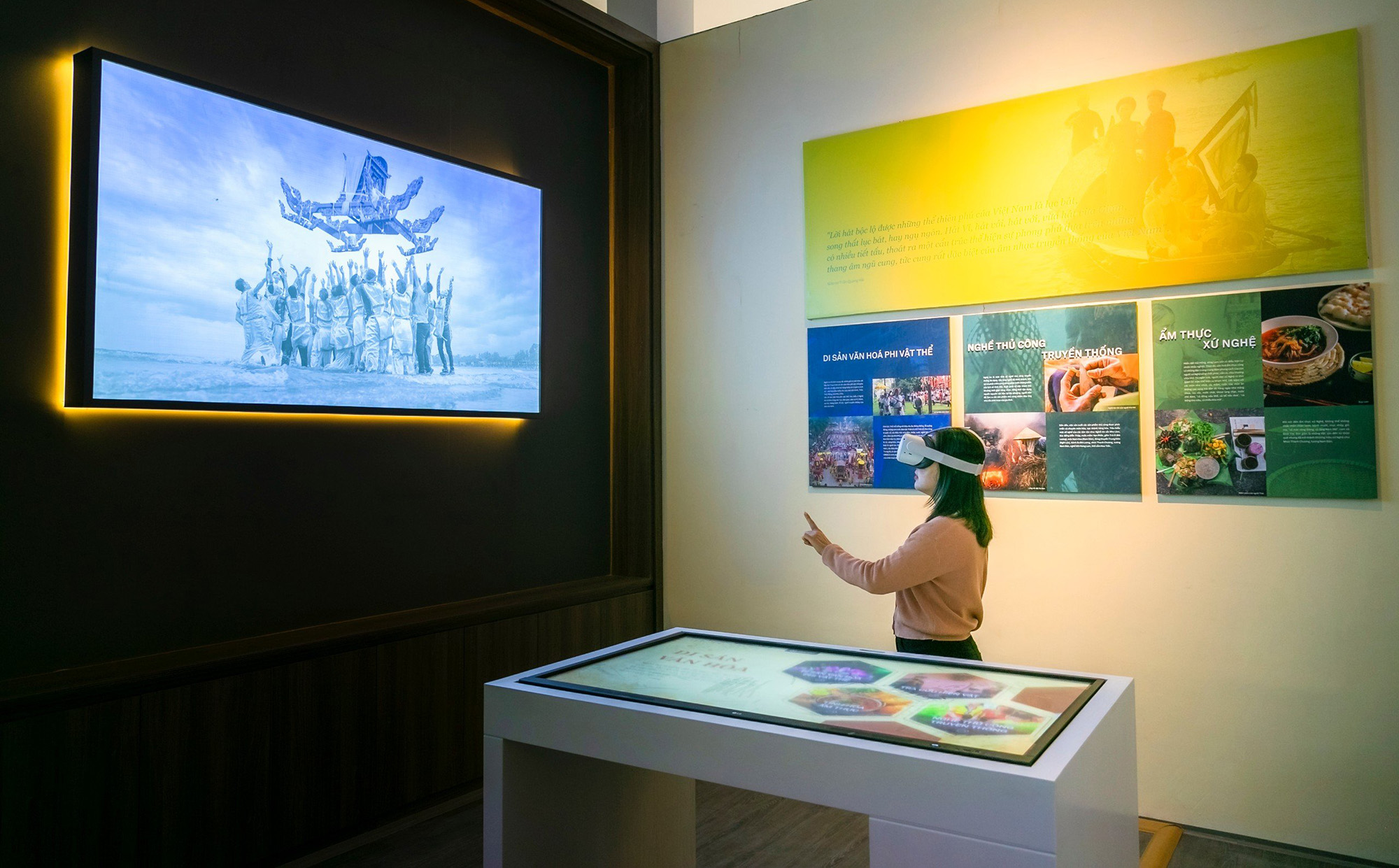
Apple describes AR as a way of blending virtual objects with the real world to create an immersive experience. Source: Apple Developer
VR simulates environments that are hard to access; sensors support touchless interaction. An AI Avatar is used for guidance, while a Digital Twin presents operations.
Step 6: Prototype and test
Test the script with a prototype before construction, and observe users. Long pauses, wrong actions, or skipped content all call for adjustment.
Step 7: Operate, measure, and improve
Before opening, run through the journey, test the load, and assign support staff. The data afterward helps optimize content, interface, and device placement.
5. Choosing Technology for Each Challenge
| Brand challenge | Suggested technology | Main role |
|---|---|---|
| Attracting attention from a distance | LED, projection mapping | Creating a focal point |
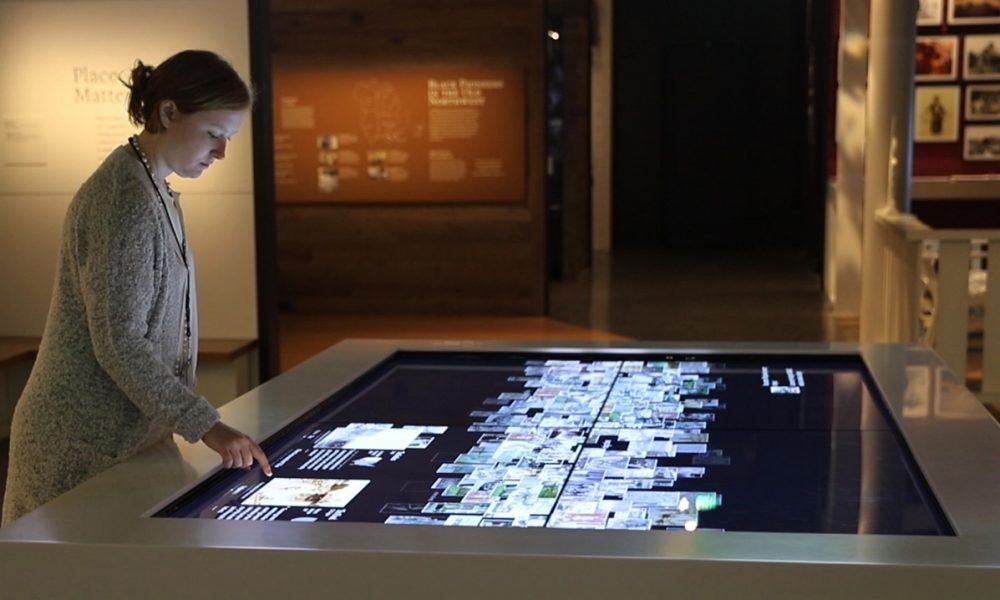
| Product exploration | Screens, RFID | Opening content based on the visitor’s selection |
| Experience in real space | AR, sensors | Connecting digital content with the environment |
| Process simulation | VR, 3D models | Controlled hands-on practice |
| Guidance and Q&A | AI Avatar | Responding to needs |
| Presenting operations | Digital Twin, dashboard | Visualizing assets and data |
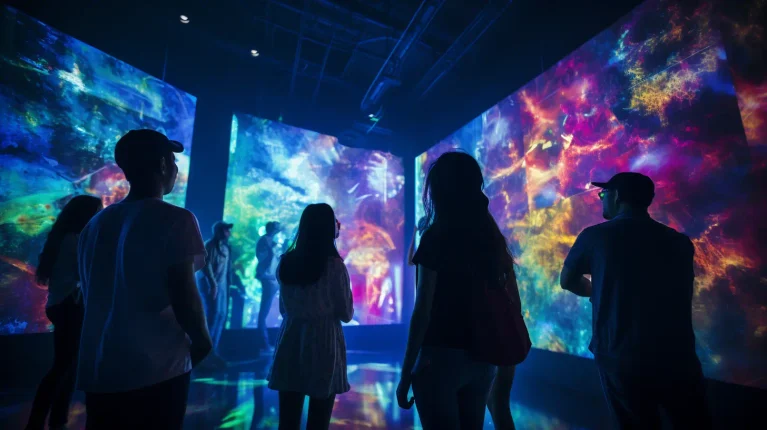
| Immersive space | 360-degree LED, sound | Strengthening the sense of presence |
A project does not need every technology. The more complex the configuration, the higher the integration requirements. Each device must help users understand or do something better.
6. How to Measure Brand Experience
Businesses should build KPIs across four layers.
| Measurement layer | Suggested metrics |
|---|---|
| Reach | Entries, stop rate, visitor source |
| Engagement | Time spent, completion rate, touchpoints selected |
| Awareness | Message recall, product understanding, brand perception |
| Conversion | Qualified leads, bookings, trials, or purchases |
The operations team should also track error rates and recovery time. Frequent disruptions erode trust.
7. Common Mistakes
- Choosing technology before defining goals and users.
- Putting too many messages into a short journey.
- Creating attractive effects whose interactions add no value.
- Lacking guidance or an option to skip.
- Not testing with real users before construction.
- Overlooking privacy and accessibility.
- Not budgeting for operating staff, maintenance, and content updates.
The biggest risk is treating the experience as a decorative item. Technology must solve a communication or business problem.
Conclusion
Building a brand experience is a cross-disciplinary challenge that connects strategy, content, space, data, and operations.
The starting point is the goal and an understanding of users. When every interaction has meaning, the brand promise becomes more tangible and memorable.
Contact ADT Global to discuss interactive spaces, experience centers, AI Avatars, Digital Twins, and showcase solutions that fit your brand goals.
Frequently Asked Questions
What is brand experience?
It is the sum of perceptions formed across every contact a customer has with a business.
Is interactive technology suitable for B2B businesses?
Yes. Technology helps visualize solutions, supports demos, and opens the way to in-depth discussions.
Is brand experience the same as immersive experience?
No. Brand experience is the overall concept; immersive experience is one method of creating a deep sense of presence.
Should a project start with content or devices?
Start with goals, users, and the story. Choose devices afterward.
How can deployment risks be reduced?
Prototype, test with users, prepare backups, and assign operating responsibilities.