Checklist for Vietnamese businesses attending the international AI exhibition
Businesses need to set goals, standardize their products, prepare demos, schedule meetings, and follow up on opportunities after the expo. A checklist helps teams coordinate, control the budget, and achieve measurable business results.
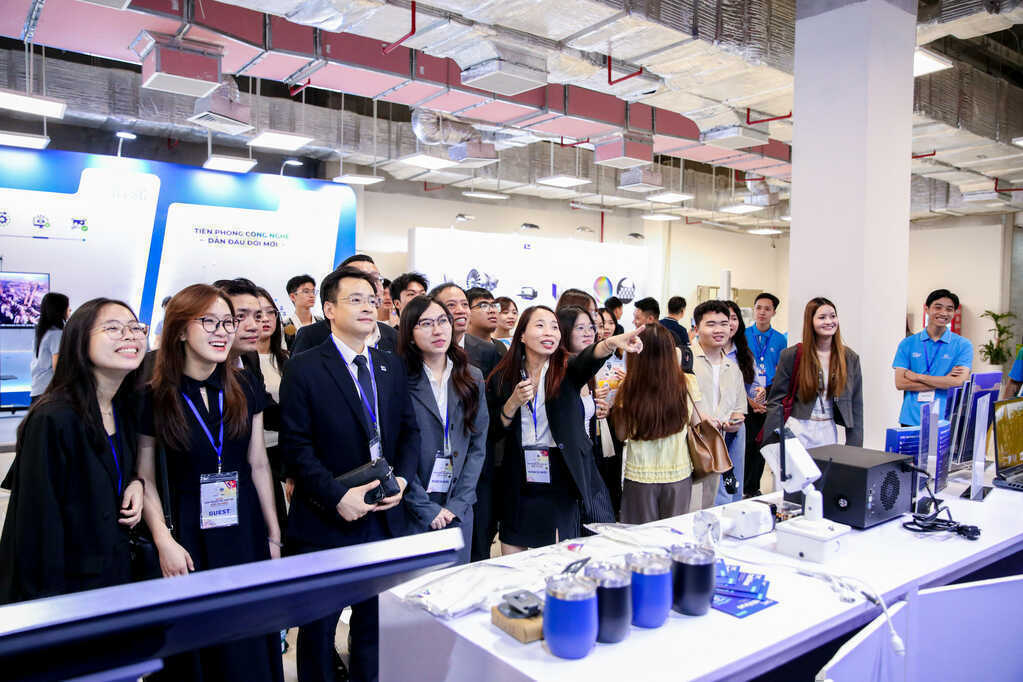
Attending an international AI exhibition can open up access to customers, investors, and technology partners. But results don’t come from simply showing up at the event. A business needs to define its goals, standardize its product messaging, prepare demos, schedule meetings, and follow up on opportunities after the show. A checklist helps departments coordinate, control the budget, and produce measurable business results.
1. Why Do You Need a Checklist for an International AI Exhibition?
Major exhibitions bring together many different groups. MWC gathers carriers, device manufacturers, and technology companies. GITEX extends into AI, data, robotics, and energy. Source: MWC Barcelona, GITEX Global
That scale creates opportunity, but it also increases competition. Visitors only spend a short amount of time at each booth. If the message is too long, the demo is unstable, or staff don’t present a consistent pitch, a business can easily miss out on valuable meetings.
A checklist turns the trip into a cross-departmental project. Leadership owns the goals; marketing owns the messaging; sales prepares the client list; the technical team is responsible for the demo; operations handles logistics.
2. Phase 1: Define Goals and Select the Event
Before booking a booth, a business needs to answer four questions.
What is the priority market?
Identify the country, industry, and type of organization you want to reach. A goal of finding a distributor is different from a goal of finding a pilot partner.
What is the main objective?
Choose one main goal: generating leads, finding investors, meeting partners, researching the market, or launching a product.
Is the event the right fit?
Review the visitor profile, industry focus, program, and B2B opportunities. Don’t pick an event based solely on how well-known it is.
What is the full budget?
Account for the booth, build-out, shipping, electricity, internet, equipment, staffing, travel, accommodation, insurance, and communications.
Phase 1 checklist: market clearly defined; goal approved; event fits the business; budget includes a contingency; one person is overall owner.
3. Phase 2: Pre-Exhibition Preparation
Standardize the messaging
The business needs a short pitch that answers three things: who the solution is for, what problem it solves, and what sets it apart. A longer pitch can be used when a visitor wants to go deeper.
English-language content must fit the business context. The website, brochure, video, and presentation should all use the same product name consistently.
Finalize the demo
The demo should present a single problem, with sample data, a scenario, and an expected outcome. For AI, state the data source, the limitations, and the human’s role. Prepare a video or an offline version in case the connection fails.
Design the booth
The booth needs to convey the message from a distance, with a demo area and a space for conversations. Read the rules on height, materials, safety, delivery, and approved vendors carefully.
Schedule meetings
Build a client list, send invitations, and propose time slots ahead of the event. Every meeting needs an owner and a goal.
Prepare logistics
Check visas, insurance, contracts, and equipment-import regulations. Products with batteries, radio components, or other special parts need their shipping requirements verified.
Pre-departure checklist: messaging approved; demo tested; materials consistent; meetings confirmed; booth signed off; backup equipment ready; data protected.
4. Phase 3: Operating at the Exhibition
Before opening hours, check the screens, audio, connectivity, QR codes, and lead-capture forms. Staff must know the demo schedule and meeting schedule.
Ask about the visitor’s field, role, problem, and deployment timeline before running the demo.
Every lead should be classified right away:
Level A: clear need, a decision-maker, or a near-term project.
Level B: a good fit, but needs more time or information.
Level C: general interest, no concrete plan yet.
Record the organization, title, need, next step, and owner. Don’t collect data beyond the stated purpose.
At the end of each day, hold a quick meeting to consolidate leads, adjust the messaging, and process any commitments made.
5. Phase 4: Post-Exhibition Follow-Up
Follow-up should start within 24–72 hours. The email should reference what was discussed, include relevant materials, and propose a next step.
Level A leads should go straight to the sales owner. Level B leads need an industry-specific nurture sequence. Level C leads can receive a newsletter if they opted in.
After two to four weeks, the report should distinguish raw contacts from qualified opportunities, and should also summarize feedback on the product and the market.
6. Metrics for Evaluating Effectiveness
A business shouldn’t report only visitor counts or the number of business cards collected. A realistic set of metrics includes:
| Metric Group | What to Track |
|---|---|
| Reach | Booth visits, demo views, meetings held |
| Quality | A/B/C leads, partner fit, product feedback |
| Conversion | Follow-up meetings, trial proposals, quotes, contracts |
| Cost | Cost per qualified lead, cost per opportunity |
| Market | Insight into needs, competitors, pricing, and integration requirements |
Metrics must tie back to the original goal. If the goal was finding a technology partner, the number of in-depth conversations matters more than the total number of QR scans.
7. Master Checklist for Businesses
| Timing | Required Task | Output |
|---|---|---|
| Before registering | Choose market, target customers, goal, budget | Approved business case |
| 8–12 weeks before | Finalize messaging, booth, demo, logistics | Deployment plan |
| 4–8 weeks before | Invite clients, schedule meetings, finalize materials | Meeting list |
| 1–4 weeks before | Run tests, train staff, check equipment | Readiness checklist signed off |
| During the event | Demo, capture needs, classify leads | CRM updated |
| 24–72 hours after | Send materials and confirm next steps | Personalized follow-up |
| 2–4 weeks after | Evaluate pipeline, cost, and insights | Summary report |
These timeframes are suggestions. Businesses should adjust based on booth size, market, and the organizer’s rules.
8. Mistakes to Avoid
Attending because the event is well-known, without the right visitor audience in attendance.
Presenting too many features, with no single core message.
A demo that’s entirely dependent on internet connectivity.
Not scheduling meetings with target clients in advance.
Collecting many business cards without recording their needs.
Not assigning anyone responsible for follow-up.
Measuring success by visitor count instead of business opportunities.
Conclusion
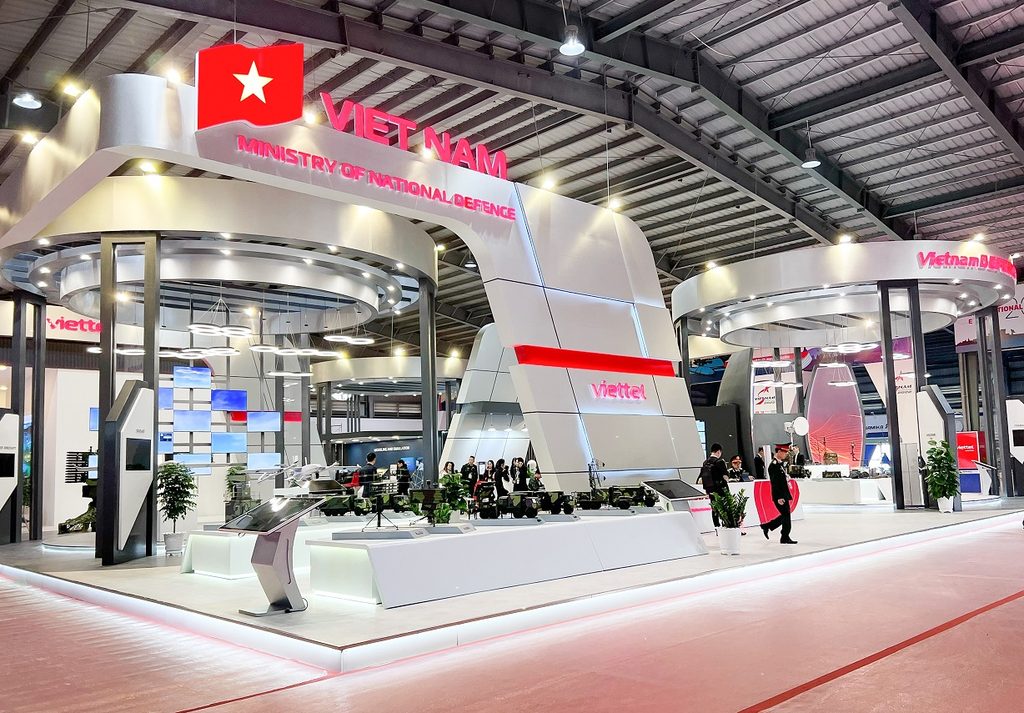
Attending an international AI exhibition is an investment in market access, relationships, and brand capability. For that investment to pay off, Vietnamese businesses need to prepare for it like a business project: clear goals, clear ownership, a stable demo, and lead data managed consistently from start to finish.
Frequently Asked Questions
How far in advance should a business register for an international AI exhibition?
Start 3–6 months ahead. A larger booth or specialized equipment needs more lead time.
Should a business attend with a booth, or just send a delegation?
A booth is a good fit when the product is ready to demo. A delegation is better suited for market research.
What does an AI demo need to prepare?
It needs a scenario, sample data, an expected outcome, stated limitations, and a backup plan.
What language should the materials be in?
English should be the priority, with the local language added where needed.
How do you protect data when demoing AI?
Use simulated or anonymized data, apply account-level access permissions, and avoid connecting directly to production systems.